Government of Nagaland Horticulture Knowledge & Exposure Programme — New Zealand 2026
Connecting horticulture leadership, scientific research, industry practices and international knowledge exchange.
Programme overview
Six delegates. Nine days. One coordinated programme.
From 22 to 30 October 2026, Feelivacation Travel & Wellness Pvt. Ltd. organised and coordinated a six-member Government of Nagaland horticulture delegation to New Zealand.
The programme combined institutional discussions, research exposure, orchard visits, industry engagement and complementary experiences exploring farm diversification and environmental resource management.
The programme was situated within the wider India–New Zealand horticulture cooperation context, including the evolving kiwifruit development agenda.
Programme at a Glance
Attribute
Details
Programme
Government of Nagaland Horticulture Knowledge & Exposure Programme
Destination
New Zealand
Dates
22–30 October 2026
Delegation
Six members
Focus
Kiwifruit research, horticulture, industry systems, orchard management and diversification
Programme coordination
Feelivacation Travel & Wellness Pvt. Ltd.
Institutional and field engagements
Technical horticulture engagements
Bioeconomy Science Institute — Auckland
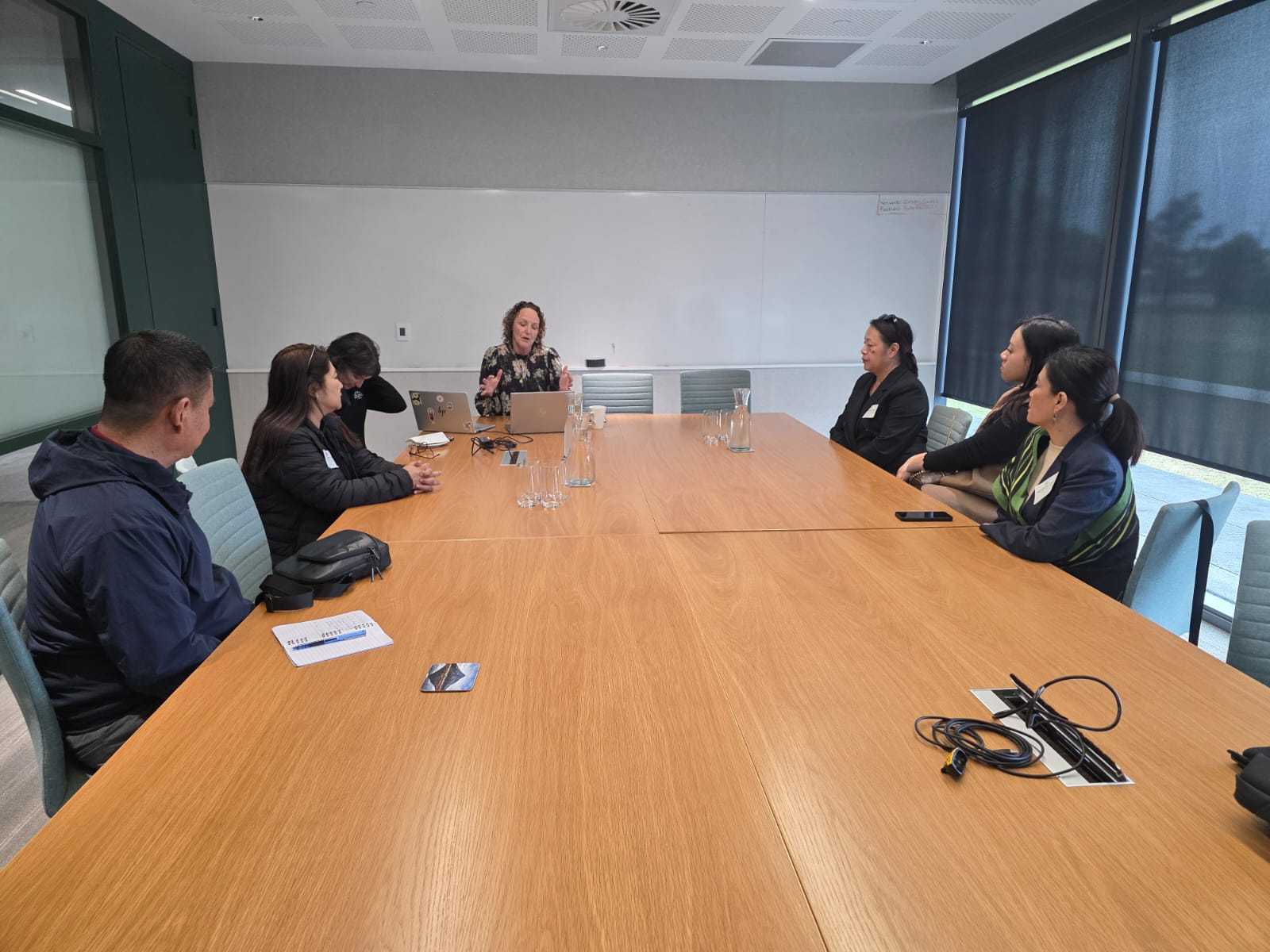
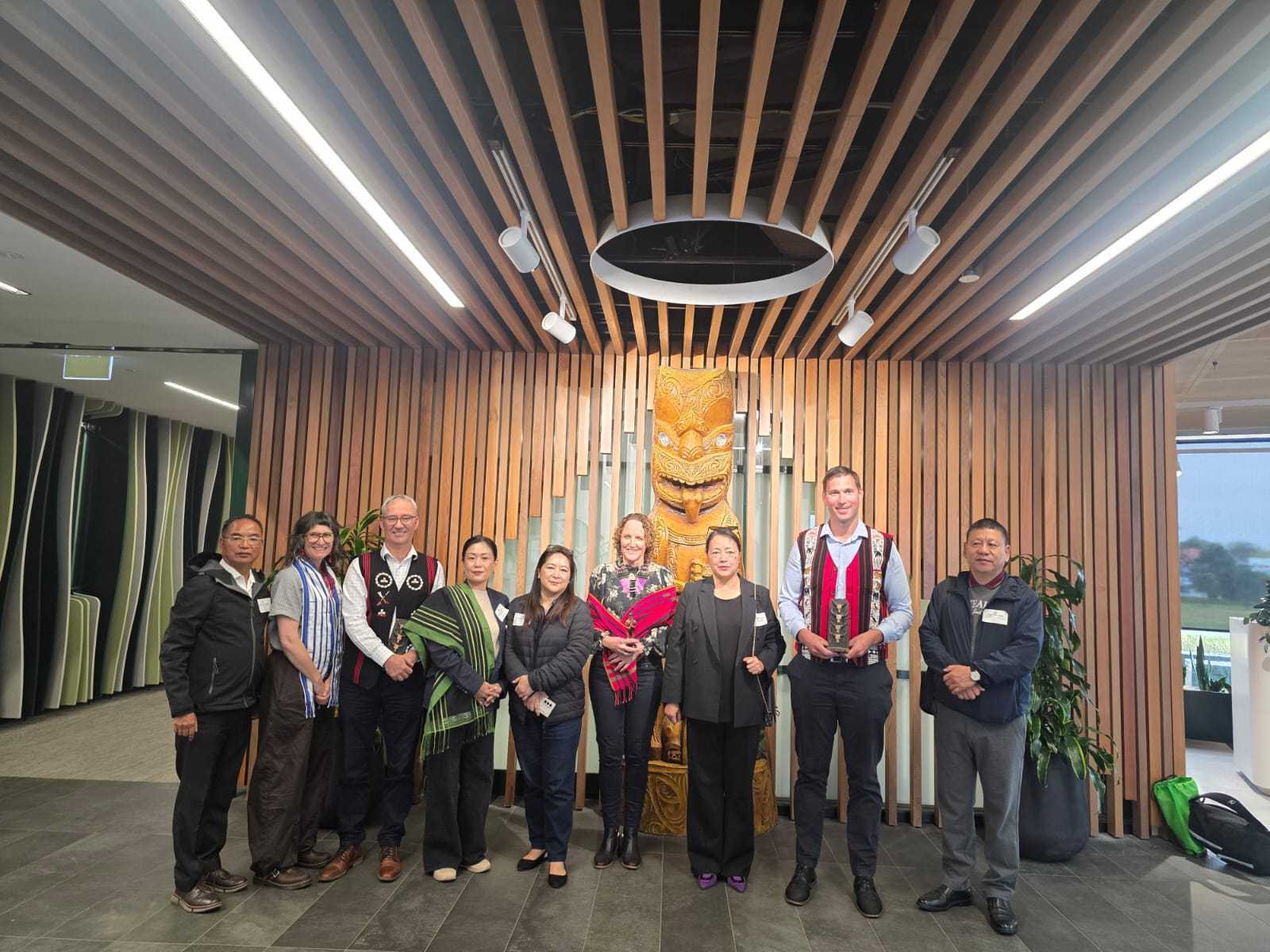
The delegation engaged with the Bioeconomy Science Institute at the Mt Albert Research Centre.
The programme included institutional discussions, an overview of international development and horticulture research, the Kiwifruit Cooperation Project, and exposure to pathology and postharvest laboratories.
The engagement illustrated the importance of scientific research, diagnostic capability and technical institutions in building horticultural competitiveness.
Zespri International — Bay of Plenty
The delegation explored New Zealand's integrated kiwifruit industry model, including grower engagement, orchard-to-market systems, quality considerations and international market organisation.
The programme connected industry discussions with orchard exposure and engagement at the Kiwifruit Breeding Centre.
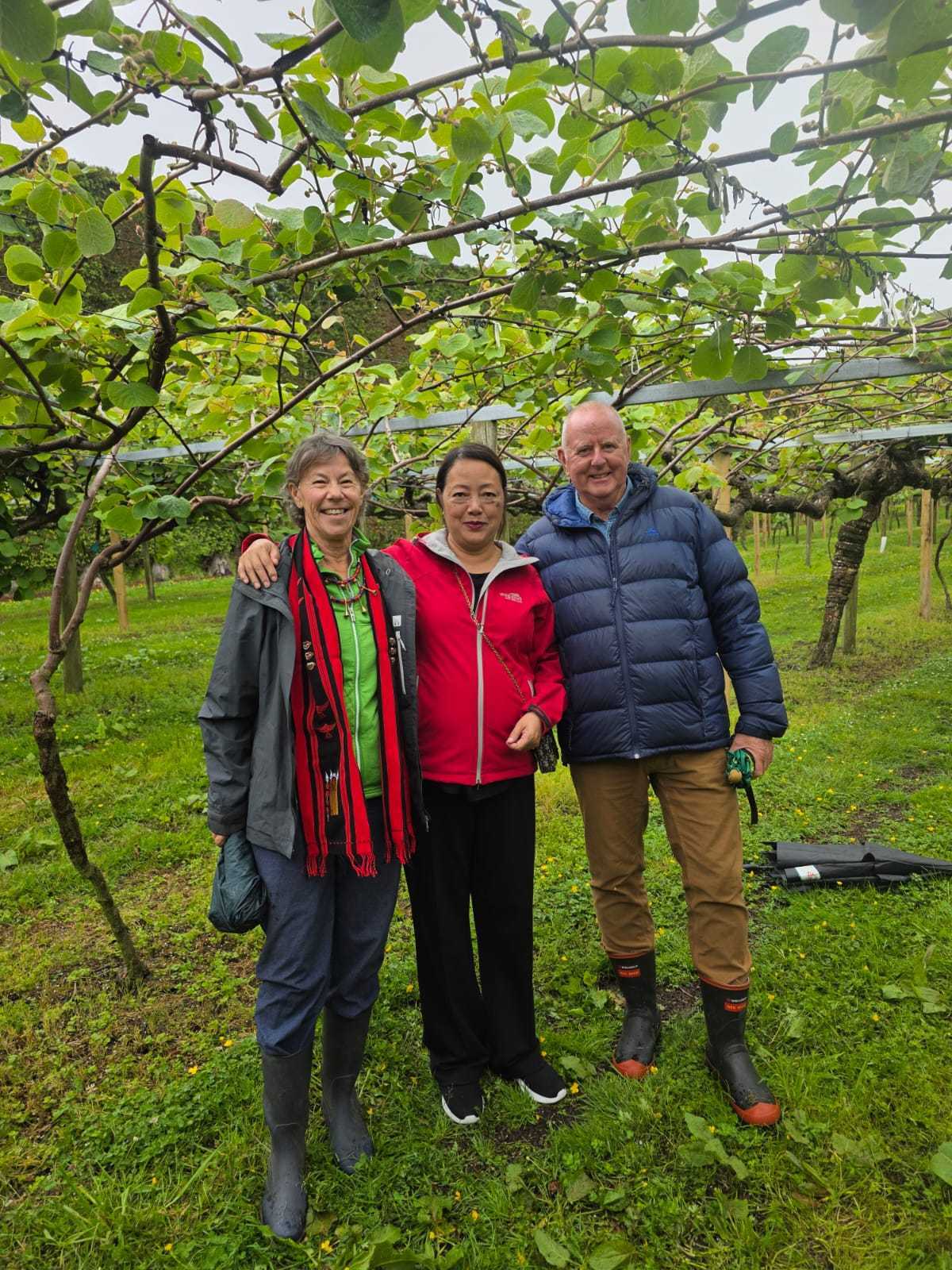
Kiwifruit Orchard Exposure — Bay of Plenty
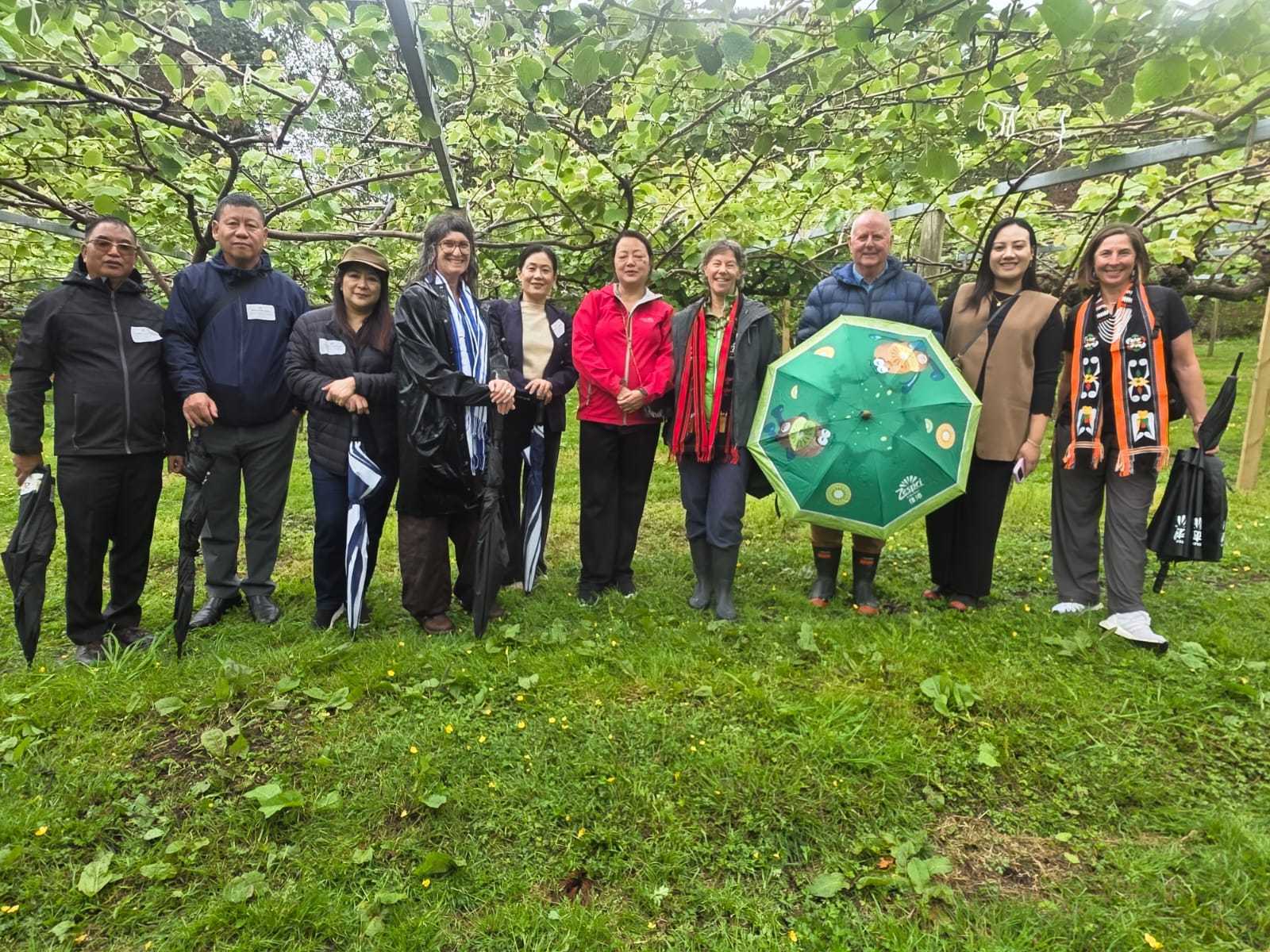
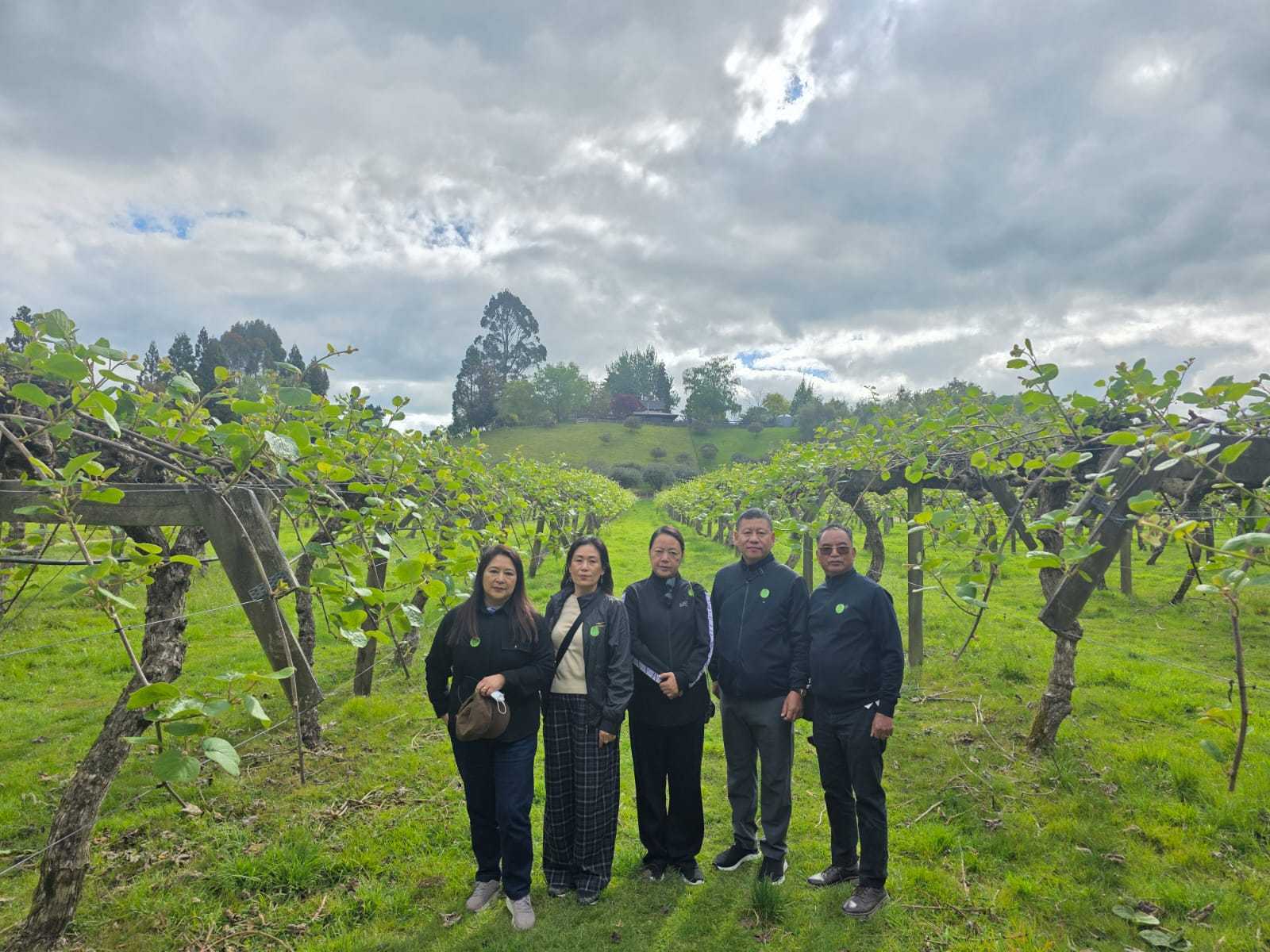
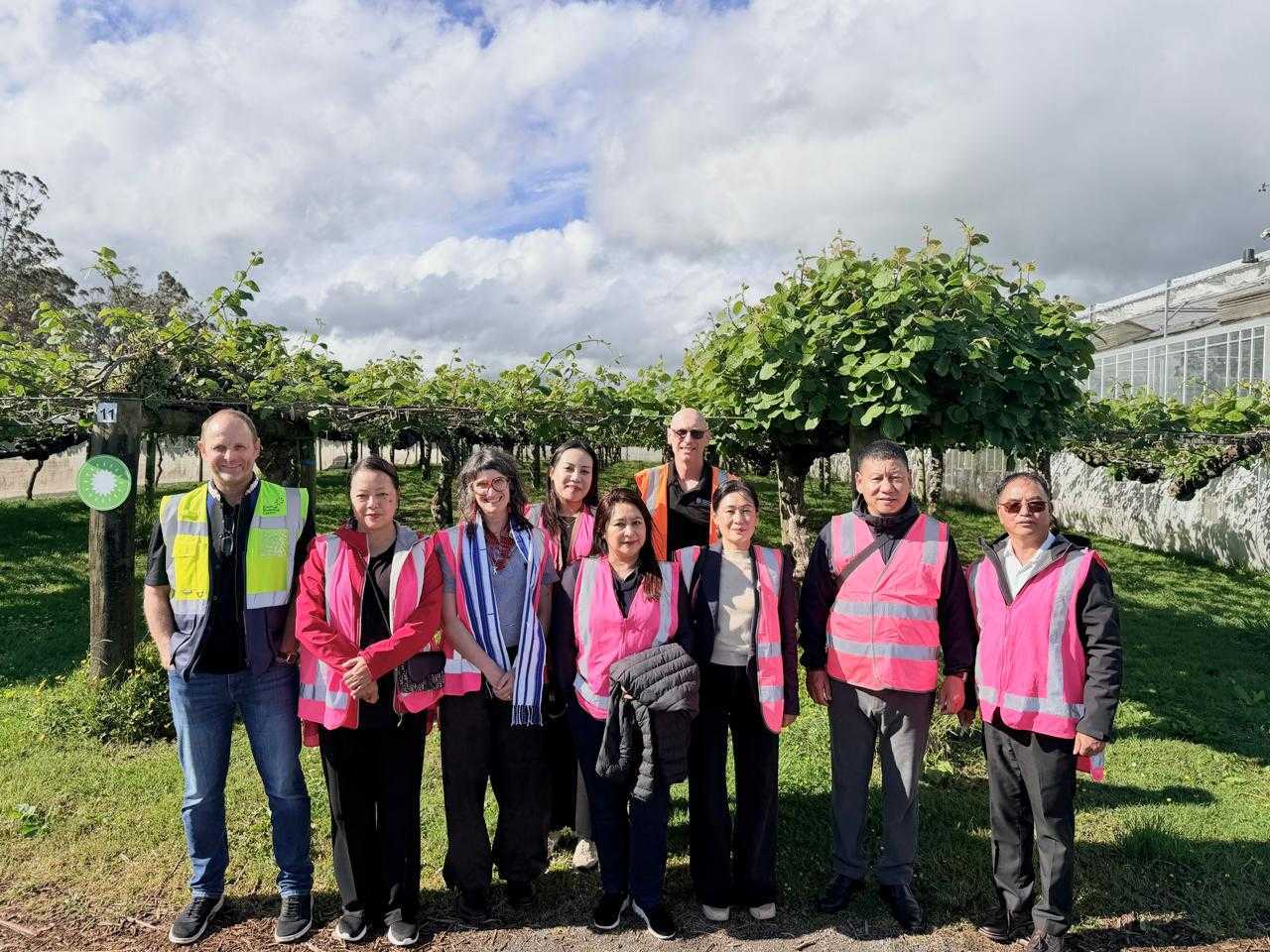
Field visits enabled delegates to observe growing techniques, orchard management practices and practical approaches to kiwifruit cultivation.
Kiwifruit Breeding Centre — Te Puke
The delegation gained exposure to kiwifruit breeding, varietal development, technology, nutrition and sustainability considerations.
Complementary environmental and agritourism experiences
These visits broadened the programme beyond technical horticulture and are listed separately from the institutional engagements.
Agrodome — Rotorua
The visit demonstrated the relationship between farming, education, visitor experiences and rural enterprise diversification.
Wanaka Lavender Farm — Wanaka
The programme explored a model of high-value crop diversification, value-added products, direct retail and agritourism.
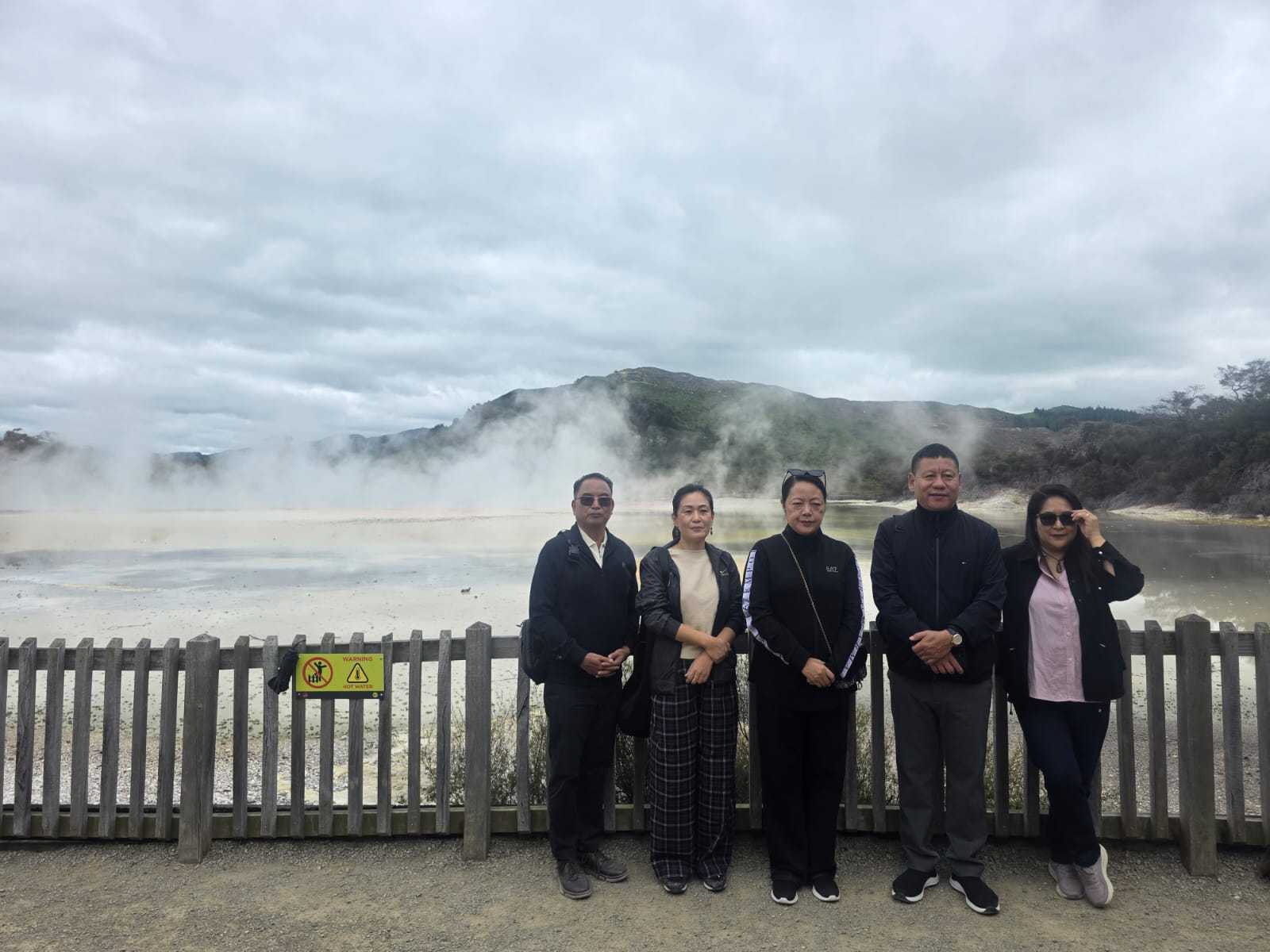
Wai-O-Tapu — Rotorua
This complementary visit introduced broader perspectives on geothermal landscapes, environmental management, land use and regional tourism systems.
Emerging delegate learnings
What delegates are telling us so far
Research-led horticulture
Early delegate feedback emphasised the importance of connecting horticultural development with research, scientific capability and practical extension systems.
Pruning and vine management
Delegates identified opportunities to strengthen pruning, vine training and orchard-management practices relevant to Nagaland's kiwifruit sector.
Grower organisation
Feedback highlighted the potential importance of organised grower groups for information exchange, training, aggregation and market access.
Value-chain development
The programme encouraged consideration of the wider horticulture value chain, including quality, procurement, postharvest systems, branding and market readiness.
Rural enterprise diversification
Complementary visits demonstrated ways agriculture, tourism, product development and rural enterprise can reinforce one another.
Evidence note: These are preliminary findings based on two of six delegate feedback responses received as of 2 November 2026. They should not be presented as unanimous delegation conclusions or verified post-programme economic outcomes.
Delegate reflections
In their words
“Seeing is believing and learning by doing.”
Feelivacation’s role
One programme. Coordinated delivery.
Feelivacation’s responsibilities included:
Programme coordination and institutional liaison
International and domestic travel arrangements
Ground transportation and mobility planning
Hospitality and accommodation coordination
Technical visit scheduling
Protocol-conscious delegation movements
On-ground assistance and operational problem solving
Single-point programme accountability
Next steps
From Exposure to Implementation
The programme identified potential follow-through areas, including:
Practical pruning and vine-management training
Research-linked horticultural extension
Grower organisation and technical knowledge sharing
Orchard infrastructure development
Postharvest and value-chain improvement
Farm diversification and rural enterprise models
These are emerging priorities and recommendations, not confirmed implementation achievements.
Programme evidence gallery
Original programme photographs
BSI research and laboratory engagement
Delegation briefing during an institutional research session
Zespri and kiwifruit orchard exposure
Group photograph beneath a kiwifruit vine canopyDelegation members during kiwifruit orchard field exposureField session in high-visibility gearDelegation members in the orchard
v0.1 · 2 November 2026 — Interim assessment published with 2 of 6 delegate feedback responses.
v0.2 · 4 November 2026 — Updated interim report received; evidence date 4 November 2026, still 2 of 6 delegate responses. Owner approved the PDF for public download.
v0.2 · 24 November 2026 — Owner confirmed publication permission for the delegate quotation; it is now shown on the case study page.
Institutional programmes
Planning an International Knowledge-Exchange Programme?
Feelivacation works with government departments, educational institutions, professional organisations and industry groups to design and coordinate purposeful international learning experiences.
From institutional engagement planning to travel, hospitality and on-ground programme management, our approach brings the different components of a delegation programme together.